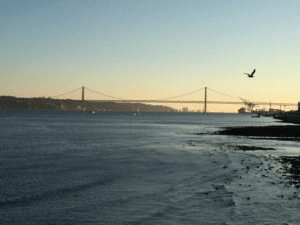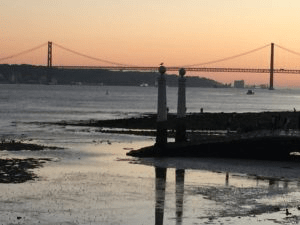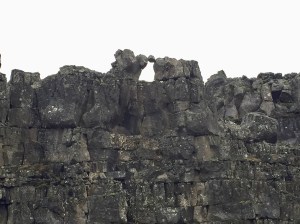


Dear Family and Friends, thank you for reaching out to us here and via email or other ways to contact us, Loren and I always appreciate hearing from you!
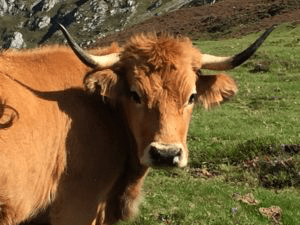
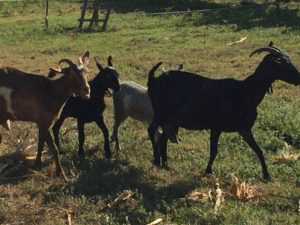
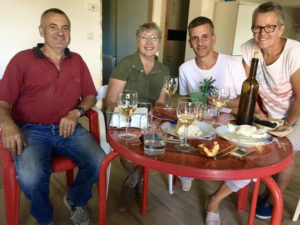
An extra overnight in Tui was just what we had needed, given the time change from Portugal to Spain which cost us a lost hour. We spent a most enjoyable evening with Arturo, our AirBnB host, who took us to a friend’s finca (farm) to see veinte vaca y un toro – 20 cows and a bull, as well as a prized stallion and 3 young mares.


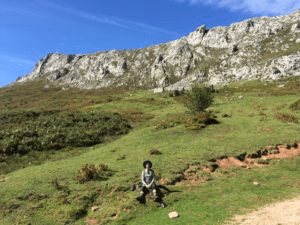
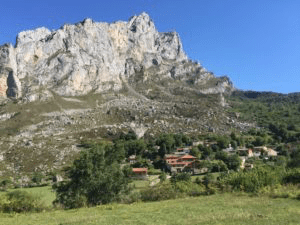
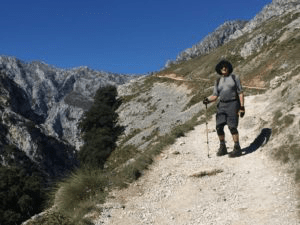
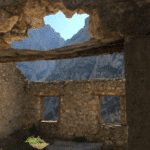
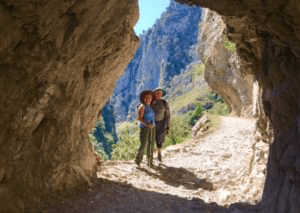
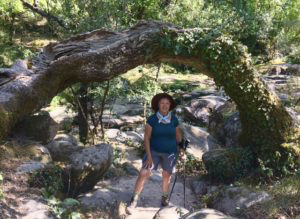
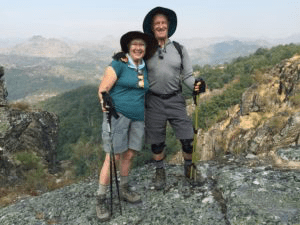
When Loren and I left Rio Caldo, Portugal, we drove on a gorgeous, long, windy road up a mountain to Parque Nacional da Peneda-Geres, which is a border park to Spain’s Baixa Limia Serra do Xures Parque Natural. We are uncertain if our four hour hike across seven bridges – and one natural bridge that I found – took us over the border, but for certain we drove through the park in Espana afterwards, for a shorter route to reach our AirBnB, Casa do Preto – House of Black, in Portugal. There was no need to show our passaportas anyway, as both countries are within the European Union.

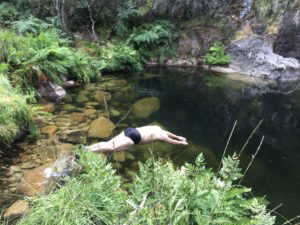
Contrary to what our friends Marisa and Vieira advised about Pitões das Junias: “There is nothing there!” – we enjoyed visiting a growing community. We understand from new hiking friends there that in the past few years it has been named among the top 10 villages of Portugal. On our first day in Pitões (said p-tosh) we took a long day hike – down one mountain and up another, to see an igreja – church and back. On the way there, we stopped at a swimming hole where Loren dove in for a refreshing respite.

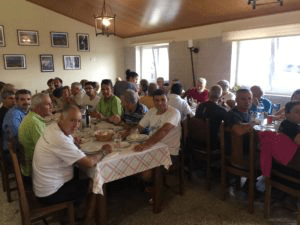
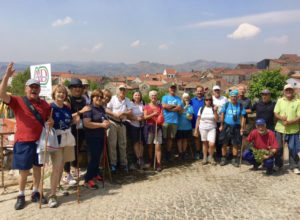
The next day, a group of more than thirty members of the nearby Vila Real city hiking club showed up en masse at the restaurant at our overnight accommodation.

Loren befriended them and we had the fortune to join in their day hike to an abandoned mosteiro – monastery, a cascata – waterfall, and then a little bit more walking with them around Pitões. I counted 217 stairs on the way back up from one of the viewpoints of the cascata.

Afterwards, they bestowed us gifts from their club and a pair of hand made hiking poles, saying this represents a connection between America and Portugal. Very special!

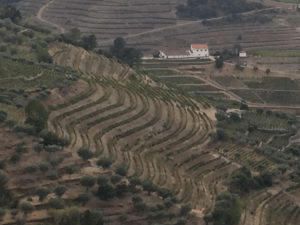
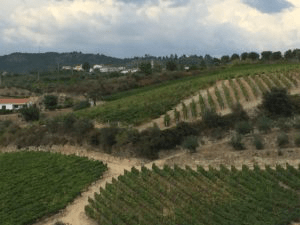
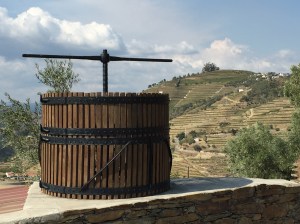
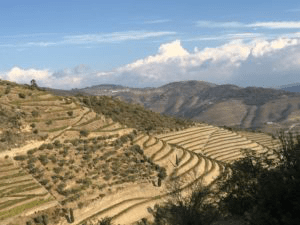
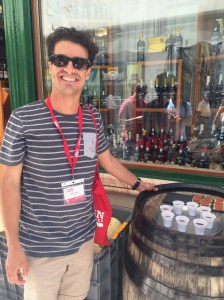
Loren and I took another, shorter walk before leaving Pitões, then drove on to the Douro region. It was like driving to Napa in California, except that the vineyards are planted on extremely steep, terraced mountainsides, offering dramatic views into canyons with each turn of the winding road. We drove through Alijo, stopped in Favaios for a tour and tasting at Cooperativa Adega winery, then, drove on to our AirBnB in Pinhão (peen-yow).

Our studio apartment here was in a home high on a steep incline from the main street where we had parked our car. I counted 69 stairs back down. We were greeted with the news that “This week will be tropical,” and learned how lucky we are in that their recent heat wave of 50 degrees celsius, which is 122 degrees Fahrenheit, had just passed with the day’s thunderstorm. We were grateful for the abundance of ripe, flavorful figs and several green bell peppers offered to us from the rear yard. The tomatoes sadly were scorched in the heat, and the pears and peaches not quite ready to enjoy. One day we hiked way up a mountain behind our house to Quinta do Jalloto, (Jalloto Winery), after enjoying a cup of Galone (coffee light) at our hosts’ cafe.

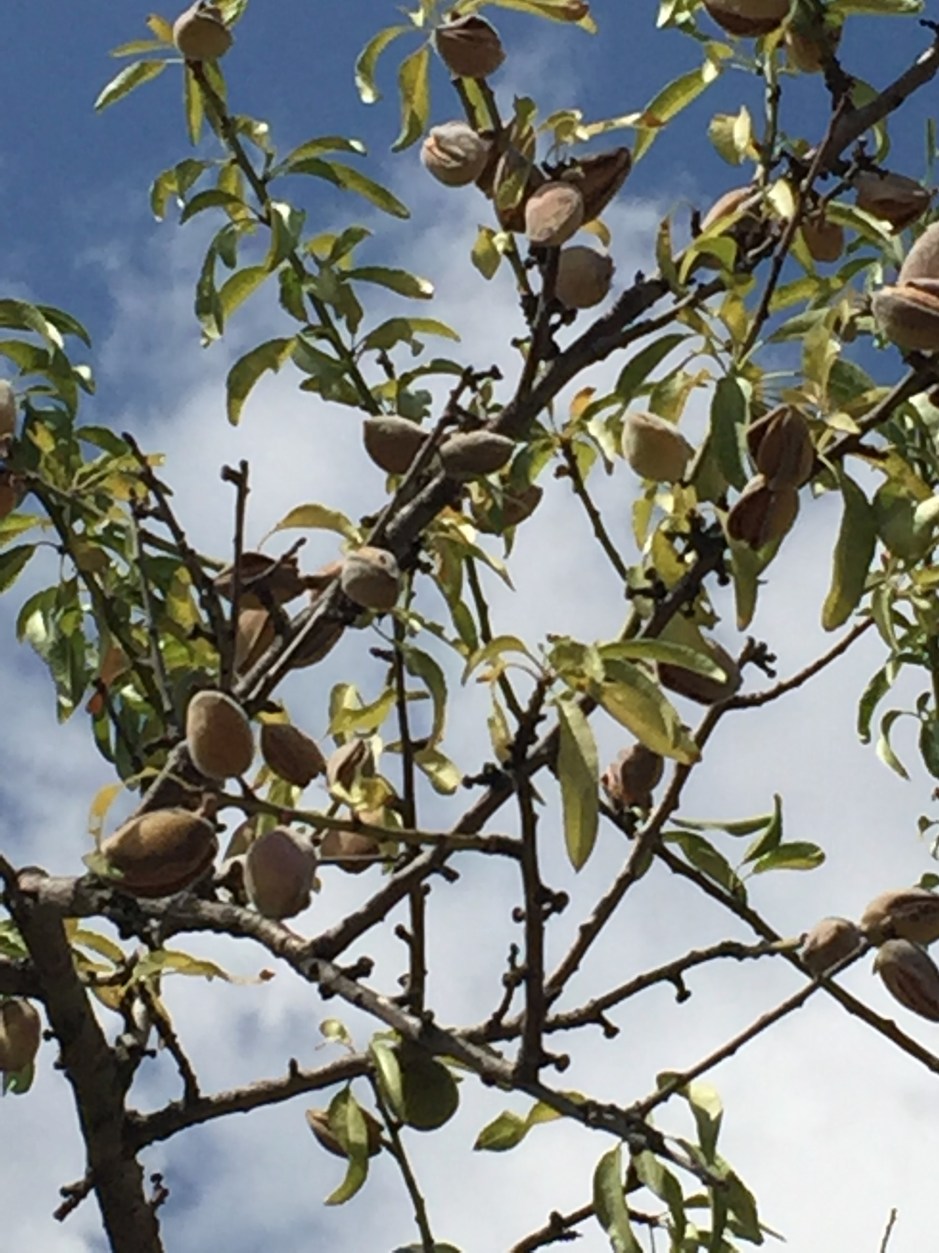
On our hike, Loren picked ripe grapes that were growing alongside the road, then he found sweet peaches for us to taste! We also collected some ripe almonds that were popping out of their skins to take back to crack open later. Olives, apricots, and citrus trees were plentiful too, though the olives and fruits were not yet ready other than some of the oranges. All these varieties are familiar to us from the San Francisco Bay Area. At Jalloto, we tasted more wine varieties. My question is: How does one taste wines, find a flavor one likes, and not buy oneself a bottle? Even with the hiking here, and the Bikram yoga and hiking that we did in New England and New York, I am still carrying too many excess pounds… no wonder.
On our last full day in Portugal, we were slow to leave the apartment, which turned out to be a good thing… There came a knock at our door from one of our hosts who asked if we were ready to leave. Leave? She then told us that we had agreed to move to a different apartment for the last night, and she needed us to move within the hour as new guests were arriving! Loren vaguely remembered that he had agreed to this some time ago, but I was totally surprised. I had completely settled in… Fortunately with traveling light we were moved in an hour, and, to our pleasure the second accommodation seemed a bit nicer. We had only 49 stairs to the main street front this one.
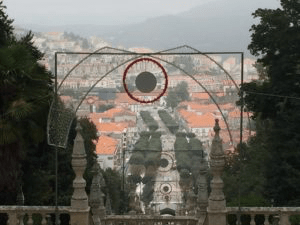
Even with our delayed departure for the day, we still had time to drive a lovely windy road from Pinhão to the town of Regua, then on to the city of Lamego where we had a delightful afternoon observing and participating in some activities for Festa Nossa Senhora dos Remédios. We parked our car, hiked down to the city center, then up the few hundred steps at the far end of town to the Santuario Nossa Senhora dos Remédios cathedral.

We had been told that there are nearly 700 steps up to the cathedral, but, they seemed way too easy – I was sure it was maybe 200 or so. However, later I confirmed it online to be almost 700. Inside the church was beautiful. We took a peaceful dirt path back down to the city center, bought some delectable cheese, olives, beans and pastries, then hiked back up to our car for the delightful return drive.

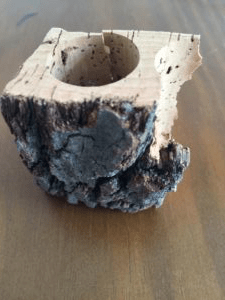
On our way to return the rental car, we took another exquisite scenic drive on roads so full of curves that I could barely take my eyes off the road or even shift out of 2nd gear – I would no sooner put the car in 3rd then have to immediately downshift for the next curve. I am leaving Portugal with – as is true of almost every place that we have traveled – a hope and desire to return. For now, what I take with me is the memory of how friendly, kind, honest and helpful the people are. I also have the new knowledge that Portugal is the largest exporter of cork in the world from the bark of their cork trees. And, that Portuguese is among the top 10 spoken world languages, per lists topped by Mandarin, Spanish and English.

A quick afternoon bus ride has brought us to Spain – I say quick because it arrived in Tui or Tuy – it appears that you can choose either of these as your preferred spelling, same as with Porto or Oporto in Portugal – more than an hour earlier than scheduled, and no, the driver was not exceeding the speed limit. We hiked a quarter of a mile uphill from the gas station where we were dropped off, with all our belongings strapped on us or carried in our hands.
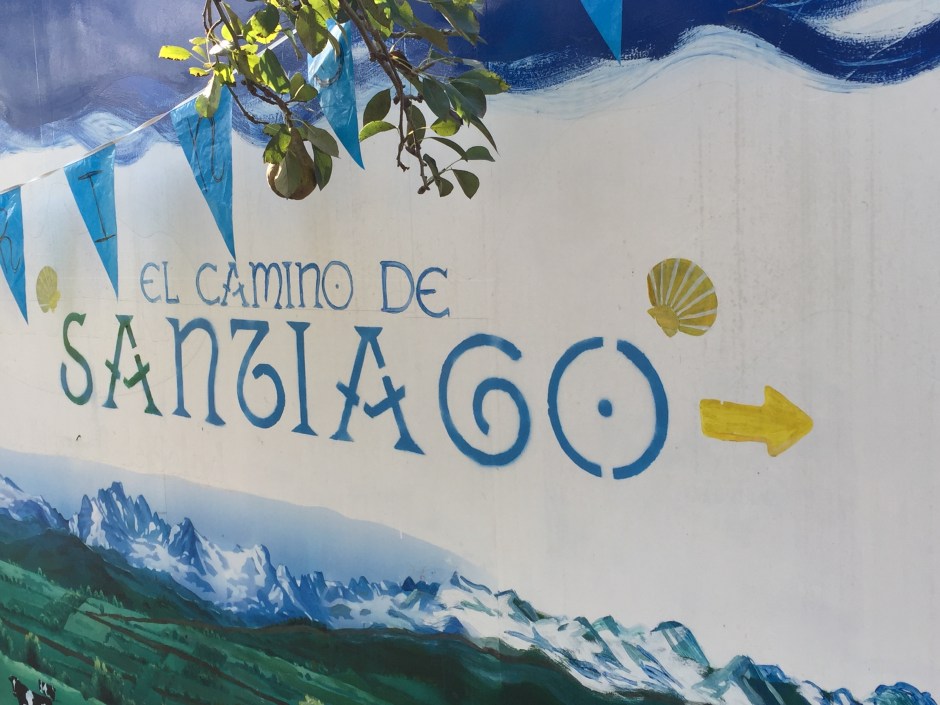
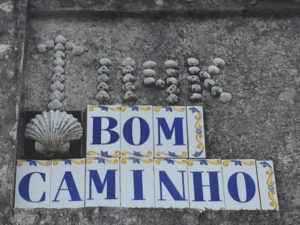
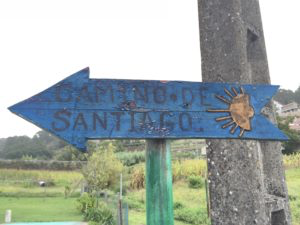
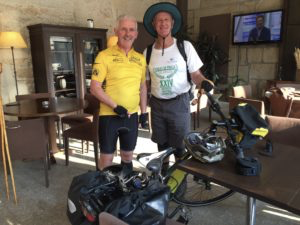
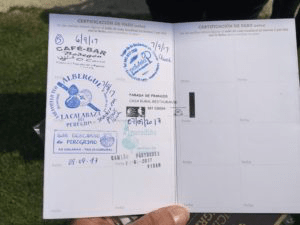
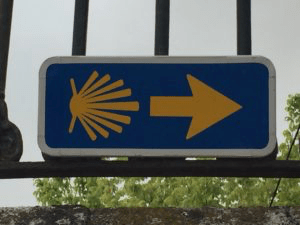
We have two nights at Arturo’s AirBnB; from here we will begin our weeklong sojourn on a part of the Camino de Santiago de Compostela – the Walk to Santiago of the Field of Stars, also known as Saint James Way. We spotted our first scallop shell image in Lamego, Portugal, being one of the yellow directional pointers which we will be seeking many more of during this coming week. It is said that the lines represent the different routes that people travel from all over the world, to arrive at the end point: the believed tomb of Saint James in Santiago, Spain.

I discovered this meaningful quote and translation on the back of the tickets from our visit to the Tower of Belem last week, and thought it worthy to share this week:
Gil Eanes, Navegador
Valeu a pena? Tudo vale a pena
Se a alma não e pequena.
Quem quer passar alem do Bojador
Tem que passar alem da dor.
Deus ao mar o perigo e o abismo deu,
Mas nele e que espelhou o ceu.
Was it worth doing? Everything is worth doing
If the soul of the doer is not small.
Whoever would go beyond the Cape
Must go beyond sorrow.
God placed danger and the abyss in the sea,
But he also made it heaven’s mirror.
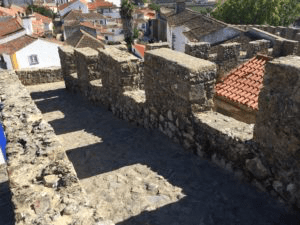
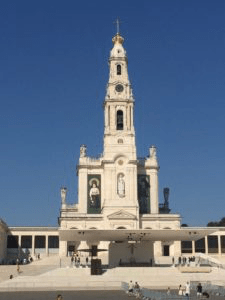
On our last day in Lisbon, Loren and I went on a long, full day tour. Of all the tours we have taken, this one appealed to us the least. So, we acknowledged our disappointment to ourselves and made the best of it. We visited Obidos, where we walked the wall around a medieval town and had a view of an ancient Roman aqueduct, then Nazaré – where we ate lunch in a touristy fishing town, on to Batalha – to see a cathedral, and, the famed Fatima – where three children had experienced an apparition of the Virgin Mary. An impressive new cathedral with elaborate grounds celebrate it. Earlier this year Pope Francis came to mark the 100th anniversary. Loren and I appreciated returning to Lisbon even more because we learned how really hot it can be inland – I am still suffering from an itchy prickly heat rash on my calves.

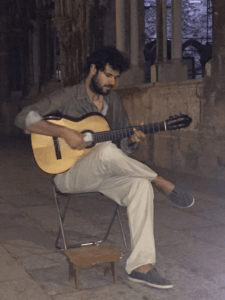
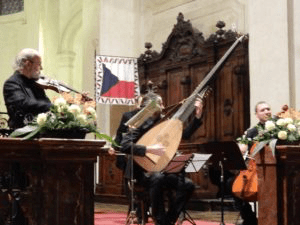
That evening we were still able to be on time for a classical guitar concert in the Cloister of Se Cathedral, the one we had had tickets for on the previous evening but was canceled. It was well worth making it an even longer day to attend it.

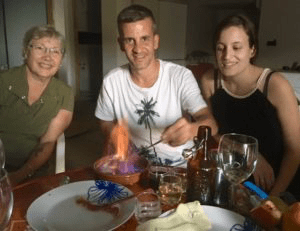
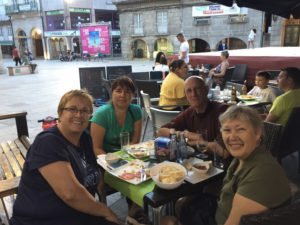
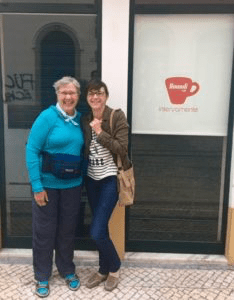
Loren and I then took a train to Aveiro for three nights. We needed help with finding our AirBnB, and Marisa, owner of a cafe with her husband, Vieira, came to our rescued. We developed a friendship with them both, and enjoyed an evening out to dinner together. Loren and I tasted our first Leitao Assado – suckling pig, at their suggestion. It was good!

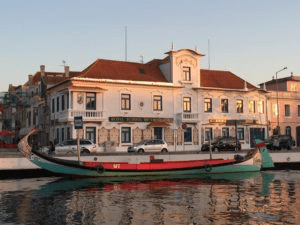
Aveiro’s nickname is “the Venice of Portugal,” for its many bridges over the water that runs through town, and, the many gondola-like motorized boats for tourists to enjoy.

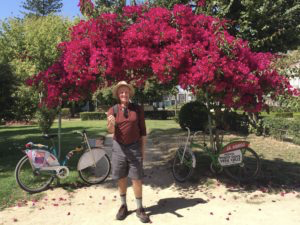
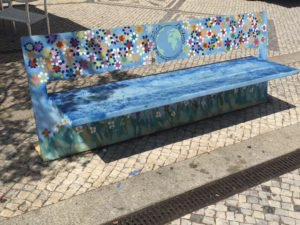
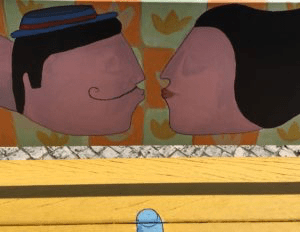
Loren and I preferred to spend our time walking and bicycling in Aveiro’s quaint streets over riding in a boat. We found that the townspeople grace their overhead walkways, and even some of their bicycles, with colorful crocheted images of fish among other designs, as well as painting some of the benches around town with delightful artwork.

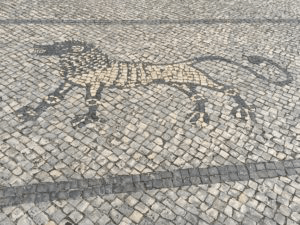
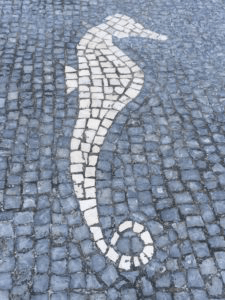
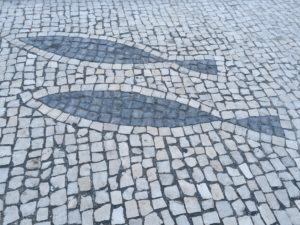
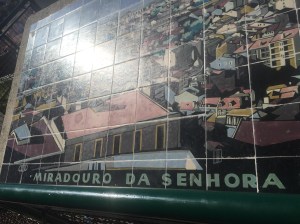
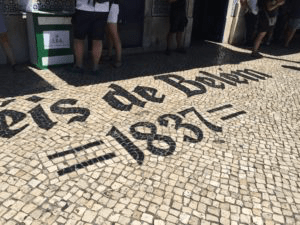
Another style of art that we have seen in several places in Portugal are the beautiful intricate tile sidewalk designs,

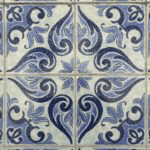
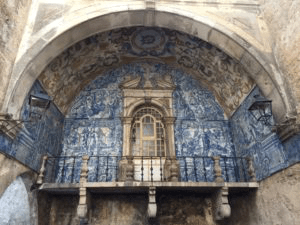
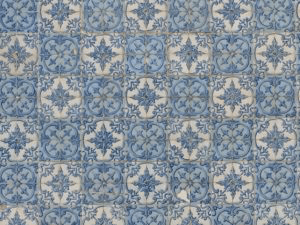
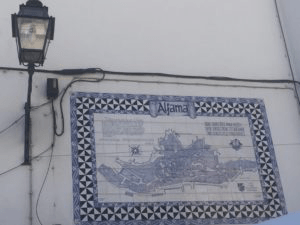
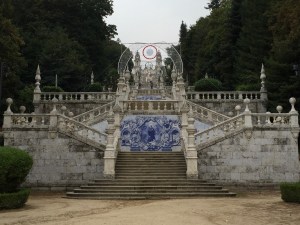
and, we have seen impressive blue tile artwork that grace the outside of homes, churches, and buildings. The tile is both decorative and practical in that it needs less maintenance than other forms of building materials.

We so appreciate how many people speak English. Loren recognizes how many more people do these days compared to during his travels here of 40 years ago – he remembers, “No one spoke English!” We are also especially grateful for Loren’s fluency in Italian and Spanish, because even with some English speakers, it makes such a difference in learning more about the people we meet and the local cultures. In addition to a few Portuguese words, we learned a saying from our new friends: mano da vaca – hand of the cow, which means one does not like to spend money, and, the belief that, “Seeing a spider is a sign of money.”
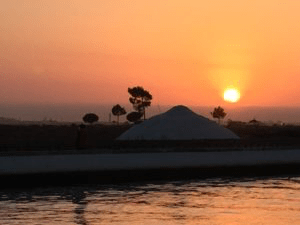
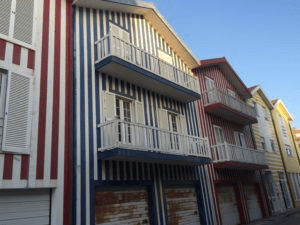
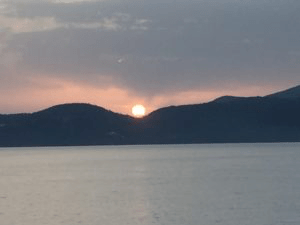
On one of the other two evenings we saw a memorable sunset over the salt fields. The other evening we rode a bus to Costa Nova to see the colorful Pahleiro – former barns for hay for horses, or for housing boats, that are now converted into decorative homes.

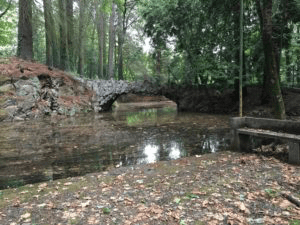
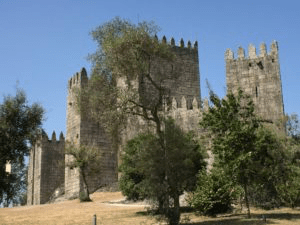
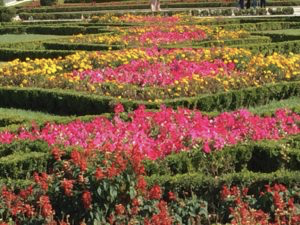
Then we rode the train to Porto and took the metro to the airport where we rented a Peugeot. We first drove north to see Guimaraes. At the suggestion of Marisa y Vieira, we visited the Castle from the time of the birth of Portugal where Afonso the 1st king of Portugal’s life is detailed, and, the Paco dos Duques – a palace residence of former Kings of Portugal. We also stumbled upon an outstanding jardim – garden.

I have been working on a poem about Portugal which is still in the works and perhaps I will post here when it is done. I was also inspired to write this Haiku:
My Prominent Portuguese Memories
Blue tile, Castles, and
Coastline; Cod and Cork, Custard
Pastry, Pork, and Port
Claire Adalyn Wright
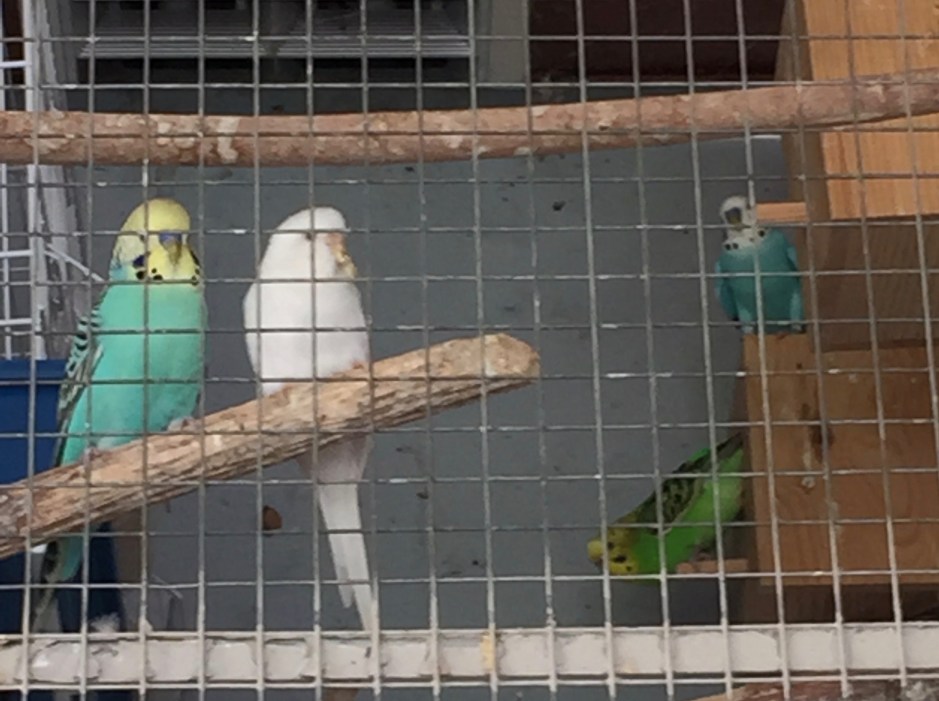
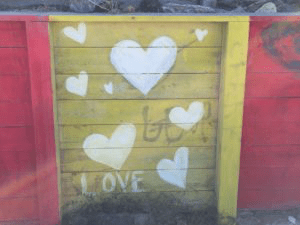
Today we will be leaving Rio Caldo after an overnight stay, where a chorus of church bells and a cage of chatty birds at our accommodation have added to our enjoyment. We are on our way to visit the mountains for a few days. While what I write next in ending this week is not a proper farewell, it is a phrase that I learned from a friend in the Bay Area with Portuguese heritage: Beige meh cou! or, Kiss my a.. Why do we often learn the bad words of another language first? Really, what I am trying to say but do not have the Portuguese words for and will send via another painted bench image, are our affectionate kisses to Portugal!


That evening, Loren and I saw a Fado performance. The advert describes it this way: “Fado is Portuguese and was born in Lisbon. A symbol of the nation, it tells stories of the sea, the people and nostalgia.” Another quote, more melancholy, that was displayed during the performance by Domingos Goncalves Castro also touched us:


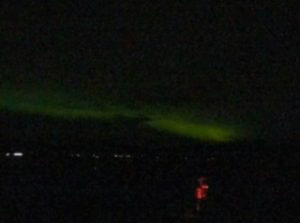
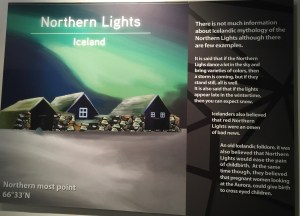
A second big activity was the evening tour – our final chance while here – to see Northern Lights. First we watched an engaging movie at the horse stables bar where our Northern Lights Tour had brought us the first time. This ranch is far enough from the interference of city lights, while also offering amenities. The movie showed fabulous scenes of Aurora Borealis. While we watched what at times looked like pale-green-breeze-blown-ribbons, I reflected on what I had learned: Aurora is Latin for Dawn and Borealis is Greek for Northern Wind. Our guide called us out to see a faint hint of the phenomenon, then we boarded the bus to leave. But someone immediately demanded, “Stop the bus!” We all got off again to see a true lights display for an hour! Loren’s camera captured it. Mine – just a slightly older model – caught only inky sky and other backlit devices trying to capture it.

Loren likes to say “The third time is the charm,” and so it was with this magnificent experience. What we saw brought to mind these images among others as the lights moved and morphed: large traces of greenish white chalk left after an eraser has smudged out handwriting on a huge blackboard, a giant eerie Frankenstein-green bird soaring towards us, and, streaking neon green locomotives making their way across the sky in the chill, clear starry night. At one point Loren picked out a faint pink color, reminding me of wildflowers swaying in a summer breeze over a green meadow. As well I spotted two shooting stars during the natural performance!
Just as dramatic as the rest of our day had been, when we were dropped off at 1:30am to our AirBnB, Loren stepped off the van transport in exactly the same place and at nearly exactly the same time as earlier in the week, only to slip and fall as there was now a thin sheet of ice on the pavement. In just 3 days, the weather had turned cold enough to create ice on the very pavement where we had stepped off the bus to dry pavement previously. Fortunately Loren was uninjured. Iceland really is “The Land of Fire and Ice!”
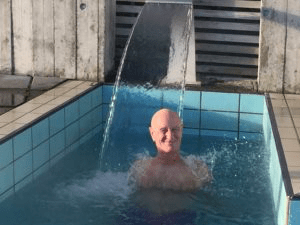
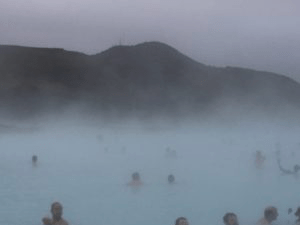
Our last day was spent in part at the Blue Lagoon, an expansive geothermal pool where we relaxed for a couple of hours. Our third and final big Icelandic activity was to splurge on a 30 minute massage for each of us sandwiched between soaks here. I have never had a massage while floating on water before. Both Loren’s and my masseuses were expert at their craft. From here we picked up our bus to the Reykjavik airport.